Table of Contents
The Artistry of Painting in the Modern Era: Techniques, Trends, and Tools
In an age where digital media dominates much of our visual landscape, painting remains a timeless medium that continues to evolve alongside technological advancements and shifting artistic paradigms. Artists today are not only mastering traditional methods but also embracing new tools and techniques that redefine what is possible within the realm of paint.
This exploration delves deep into the world of contemporary painting practices, offering invaluable insights for both seasoned painters and those embarking on their creative journeys. Whether you’re working with oil, acrylics, watercolors, or experimenting with mixed-media approaches, understanding current trends can significantly enhance your artistic expression.
Fundamental Principles of Effective Painting
Painting at its core relies on foundational principles that guide every stroke and composition. These include balance, contrast, rhythm, unity, and emphasis—each playing a crucial role in creating visually compelling works.
Mastery over these elements allows artists to communicate emotions effectively while maintaining structural integrity in their pieces. A well-balanced canvas draws viewers’ eyes naturally through the artwork without feeling forced or disjointed.
Beyond aesthetics, technical skills such as color mixing, brush control, and surface preparation form another pillar of successful painting practice. Developing proficiency in these areas ensures consistency across different mediums and styles.
Artists often overlook the importance of observation when developing their technique; studying nature or existing masterpieces helps refine perception which translates into stronger compositions.
- Balance: Achieved by distributing visual weight evenly around the canvas to create harmony.
- Contrast: Utilizes differences between light/dark values or complementary colors to draw attention and add depth.
- Rhythm: Created through repetition or pattern within lines, shapes, or textures to evoke movement.
- Unity: Ensures all components work together cohesively rather than competing against each other.
- Emphasis: Highlights focal points using size, placement, or intensity to direct viewer engagement.
Evolving Mediums and Materials in Contemporary Painting
Modern artists have access to an unprecedented variety of materials that expand creative possibilities beyond conventional options. From high-tech synthetic paints to eco-friendly alternatives, innovation drives continuous experimentation within the field.
Acrylic paints, once considered inferior due to drying time limitations, now offer versatility unmatched by many traditional forms thanks to advances in polymer technology. Their fast-drying properties make them ideal for layering effects known as impasto.
Oil-based paints continue to be favored among some artists for their rich pigment saturation and slow oxidation process allowing extended blending periods before setting permanently onto surfaces.
Watercolor enthusiasts benefit from innovations like pre-moistened paper sheets designed specifically for travel sketching purposes or archival quality papers engineered for longevity under various environmental conditions.
Digital integration has introduced hybrid forms such as projection mapping combined with physical paintings, enabling interactive installations that respond dynamically based upon viewer interaction patterns.
New developments in nanotechnology even allow creation of self-healing pigments capable of repairing minor damage caused during transportation or display settings—an exciting frontier still being explored extensively within academic circles.
Creative Processes and Workflow Optimization
Establishing efficient workflows enhances productivity without compromising artistic vision. This involves careful planning regarding subject matter selection, material gathering, space organization, and scheduling dedicated studio times.
A structured approach begins with research phase involving reference collection whether sourced digitally via online archives or physically gathered through plein air excursions capturing real-life scenes firsthand.
Sketching serves dual purpose: refining compositional ideas prior to final execution while simultaneously acting as preliminary studies useful later for teaching or portfolio development reasons.
Many professional painters utilize time-blocking strategies dividing daily sessions into focused intervals devoted solely towards specific tasks like background laying versus foreground detailing efforts respectively.
Implementing smart storage systems reduces wasted effort spent searching for supplies mid-project thereby keeping momentum going consistently throughout entire duration of piece completion cycle.
Collaboration opportunities arise frequently especially amongst multidisciplinary teams combining visual arts expertise with engineering backgrounds resulting in groundbreaking projects merging aesthetics with functionality seamlessly.
Trends Shaping Current Painting Practices
Several prominent trends currently influence how modern painters conceptualize themes, select subjects, apply techniques, and engage audiences interactively. One notable shift sees increasing interest toward abstract interpretations focusing less on representational accuracy than emotional resonance conveyed through bold marks and unconventional formats.
There’s growing appreciation for ephemeral artworks meant deliberately intended to degrade over time reflecting transient nature inherent within human experience itself—a concept particularly resonant following global events emphasizing impermanence aspects.
Augmented reality overlays applied selectively onto painted surfaces enable multisensory experiences where additional layers become visible only when viewed through mobile devices equipped with appropriate apps thus expanding narrative potential exponentially compared to static presentations alone.
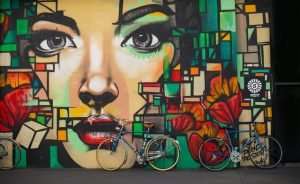
Community-driven initiatives promoting local muralism movements highlight social commentary issues relevant within immediate vicinity enhancing sense belongingness among participants involved regardless skill level attained previously.
Environmental consciousness motivates numerous creators exploring sustainable sourcing methods ensuring minimal ecological footprint associated with production processes including utilization biodegradable binders whenever feasible alternatives exist commercially available nowadays.
Technological Integration Enhancing Traditional Methods
Technology offers powerful augmentation capabilities transforming conventional painting methodologies making them more accessible adaptable wider range practitioners irrespective geographical location accessibility constraints might otherwise impose restrictions.
Virtual reality platforms facilitate immersive environments permitting virtual painting exercises beneficial beginners seeking familiarization without pressure committing resources upfront investment required acquiring physical equipment initially.
Smartphones equipped specialized applications provide instant feedback mechanisms analyzing color temperature hue saturation levels helping identify subtle variations difficult detect manually sometimes leading unexpected discoveries worth pursuing further investigation.
Online communities foster collaborative spirit encouraging cross-pollination ideas across cultures demographics contributing diversity richness contemporary discourse surrounding evolving definitions boundaries defining ‘artistic excellence’ standards perpetually reevaluated according changing societal norms expectations.
Cloud storage solutions ensure safekeeping digitized versions original works safeguarding against loss disasters providing backup copies retrievable anytime anywhere facilitating seamless transitions between analog/digital realms effortlessly bridging gap perceived separation traditionally existed between two domains historically regarded distinct entities operating parallel planes existence.
Mastering Color Theory for Dynamic Compositions
Color theory lies at heart successful painting endeavors influencing mood atmosphere created within frame depending choices made regarding palette selected harmonies established relationships maintained between individual hues employed throughout piece.
Understanding primary secondary tertiary colors enables precise manipulation desired emotional responses evoked observers encountering completed artwork experiencing psychological impact intended designer originally conceived during initial stages planning phase.
Complementary schemes generate vibrant contrasts whereas analogous groupings promote soothing cohesion based proximity positions along color wheel determine compatibility levels achieved through strategic pairings carefully calculated proportions balanced appropriately avoiding overwhelming visual fatigue induced excessive stimulation.
Value scales play equally vital role shaping perceptions dimensions objects depicted since variations light dark tones affect illusion spatial depth flat surfaces rendered three-dimensional illusions convincingly executed requiring meticulous attention shading gradients transitions occurring gradually smoothly.
Texture introduction adds tactile dimensionality enriching sensory experience beyond purely optical reception stimulating imagination prompting associations memories linked particular surface qualities encountered previously elsewhere life experiences stored mentally ready recall triggered encounter specific material characteristics presented here.
Care and Conservation of Painted Works
Proper care extends lifespan painted artworks preserving integrity condition ensuring continued enjoyment future generations appreciate legacy left behind through dedication craftsmanship invested during creation phases.
Storage conditions critical factor determining longevity collected pieces require controlled humidity temperatures stable environment preventing warping cracking degradation caused moisture exposure extreme thermal fluctuations detrimental long-term preservation objectives.
Handling precautions necessary avoid unintentional smudges fingerprints transferred accidental contact surfaces freshly dried layers susceptible absorbing oils residues present skin potentially damaging delicate finishes developed painstakingly laborious hours.
Professional conservation treatments recommended periodically especially valuable historic specimens undergoing rigorous assessments identifying vulnerabilities implementing corrective measures restoring damaged regions reconstructing missing parts faithfully replicating original intent accurately.
Documentation thorough record keeping essential tracking provenance ownership history repairs performed chronological progression changes occurred over years documenting evolution transformation undergone throughout lifetime object serving educational resource informing restorations conducted later dates.
Conclusion
The dynamic interplay between tradition and innovation defines the ever-evolving landscape of painting. As we’ve seen, mastery over fundamental principles paired with openness towards emerging technologies opens limitless horizons for artistic exploration.
Whether choosing classic mediums or venturing boldly into uncharted territories defined by digital convergence, staying attuned to ongoing transformations guarantees continual growth within discipline ensuring relevance amidst rapidly changing cultural currents sweeping globe today.
“`

news is a contributor at Arts Painter. We are committed to providing well-researched, accurate, and valuable content to our readers.